Available Autumn 2026
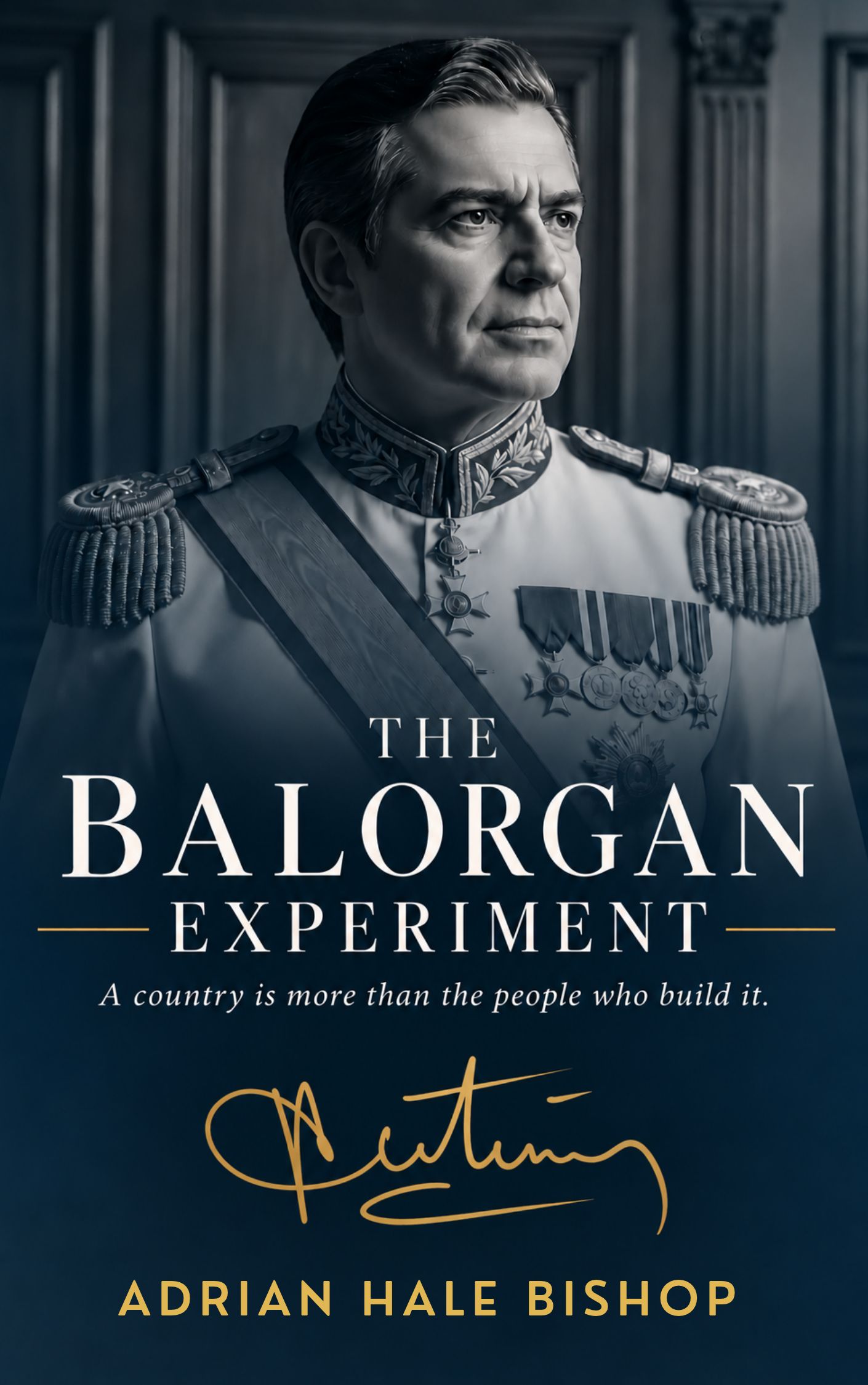
THE BALORGAN EXPERIMENT
A country is more than the people who build it.
An examination of nation-building, power, institutions, ambition, and the systems that hold a country together.
For nearly half a century, Sebastian Petrosian shaped Balorga.
His legacy offers a remarkable case study in how nations are built, how institutions function, and what happens when the man at the center is gone.
“Sometimes the best way to understand the world we live in is to imagine one that works differently – and then ask ourselves why.”
– Adrian Hale Bishop
The Premise
A country doesn’t happen by accident.
Or does it?
For nearly half a century, Sebastian Petrosian reshaped Balorga – its government, economy, institutions, and place in the world. His achievements were extraordinary. So were the contradictions, failures, and questions he left behind.
What made the system work? What happened when it didn’t? And what remained when the man who held it all together was gone?
From constitutional design and public services to economic development, national identity, and influence beyond its borders, The Balorgan Experiment examines the machinery behind a fictional country built on real questions about power, competence, freedom, and human behavior.
Because building a nation is one thing.
Building institutions that can outlast their founder is another.
An examination of power, systems, and what it takes to build a country that works.
Inside The Balorgan Experiment
The Architecture of Power
What happens when one person becomes the organizing principle of an entire state?
Building Institutions
Can a government be designed to function rather than simply to govern?
Education by Design
What if education prepared citizens for the society they were actually going to inhabit?
Healthcare as Infrastructure
What changes when healthcare is treated as a foundation of national capacity rather than a cost?
The Economics of Independence
How does a small country build prosperity without surrendering control of its future?
Designing National Identity
Can a shared identity be cultivated without demanding that everyone become the same?
The Politics of Belonging
What makes people feel that a country is theirs – and what happens when they don’t?
The Architecture of Daily Life
How do housing, transportation, neighborhoods, and domestic policy shape the experience of citizenship?
The Power of Symbols
Why do flags, anthems, history, and public rituals matter more than governments sometimes realize?
The Personality Cult
When does national leadership become national mythology – and why does it work?
Security and Social Control
Where is the boundary between public safety, political stability, and the freedom to dissent?
The Boundaries of Private Life
How much should a government decide about the choices people make behind closed doors?
The Politics of Predictability
Why do people sometimes prefer a system that limits uncertainty to one that maximizes choice?
The Contradictions of Authoritarianism
Can a system deliver competence and stability while restricting the freedoms we associate with them?
The Management of Dissent
What does a government do with disagreement when unity is part of its operating philosophy?
The Small-Country Advantage
Can scale, ambition, and strategic thinking allow a small nation to compete on a much larger stage?
Beyond National Borders
How do immigration, international business, and cultural exchange reshape a country’s identity?
Talent and Institutional Memory
How does a nation identify, cultivate, and retain the people capable of moving it forward?
The Corporate State
Where do national interests end and corporate influence begin? Does this create opportunity?
The Founder Problem
What happens when the institutions of a country have been built around one extraordinary individual?
Constitutional Reinvention
Can a nation redesign its political structure without losing the continuity that holds it together?
The Cost of Reunification
What happens when political unity is restored before the underlying differences have been resolved?
The Man Behind the Myth
How much of a leader’s legacy belongs to the person – and how much belongs to the story everyone agreed to believe?
What Survives
When the founder is gone, which parts of the experiment prove capable of standing on their own?
The Founder

Early Leaders
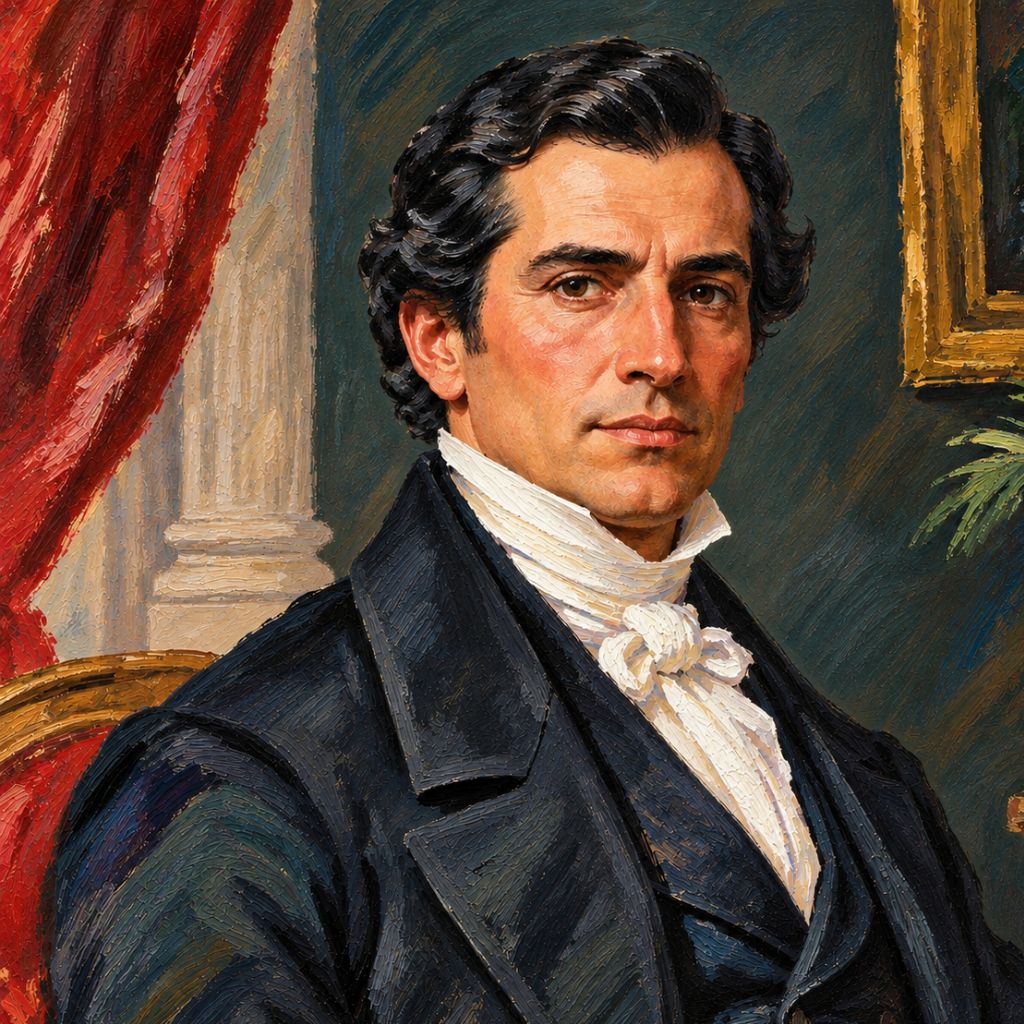
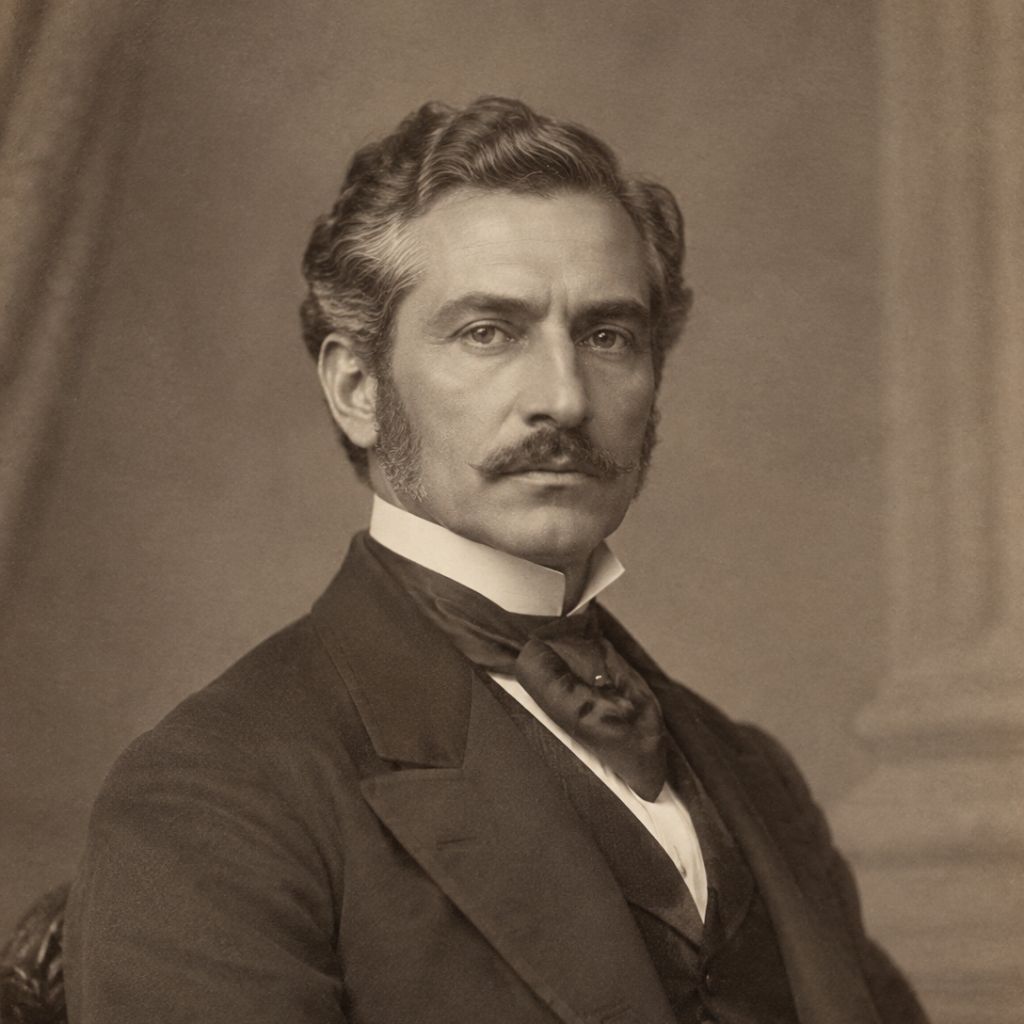



The Architects





The Guardians

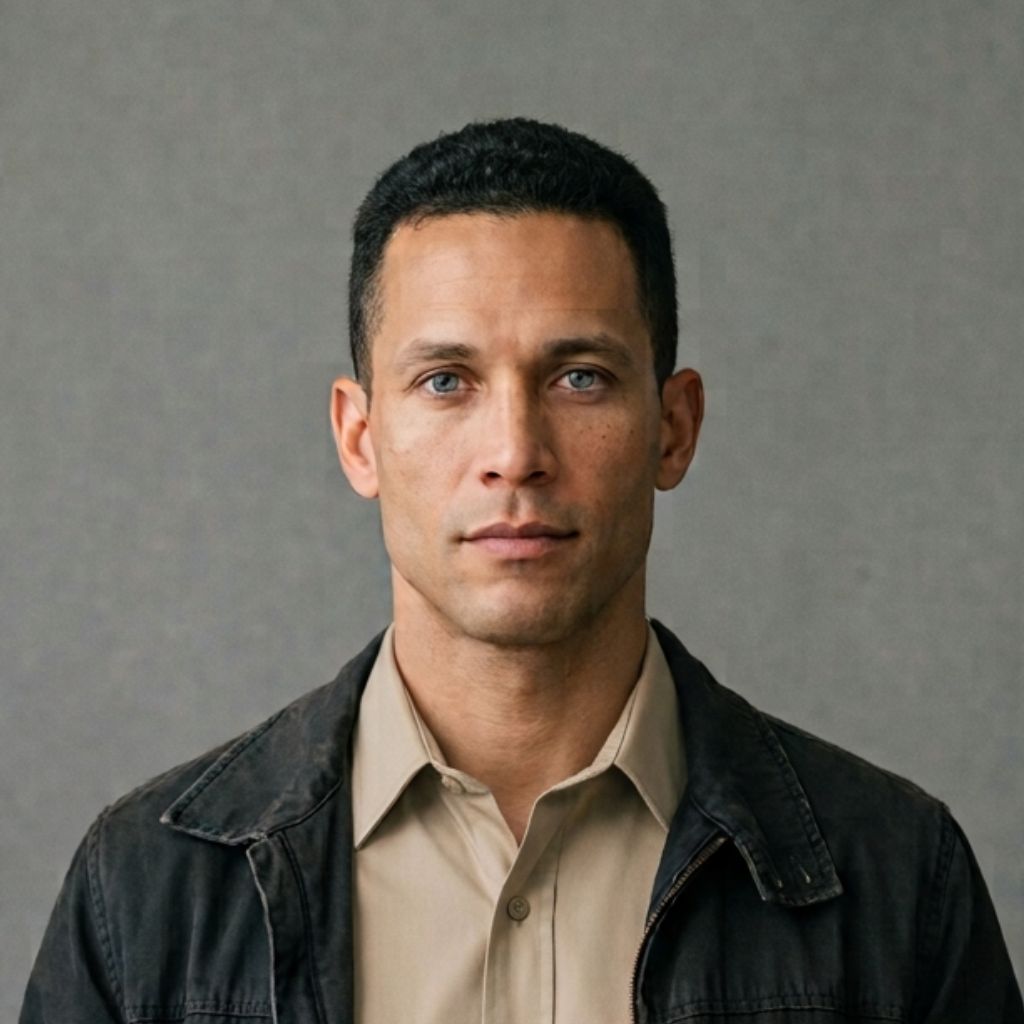
The Transition



The Engineers
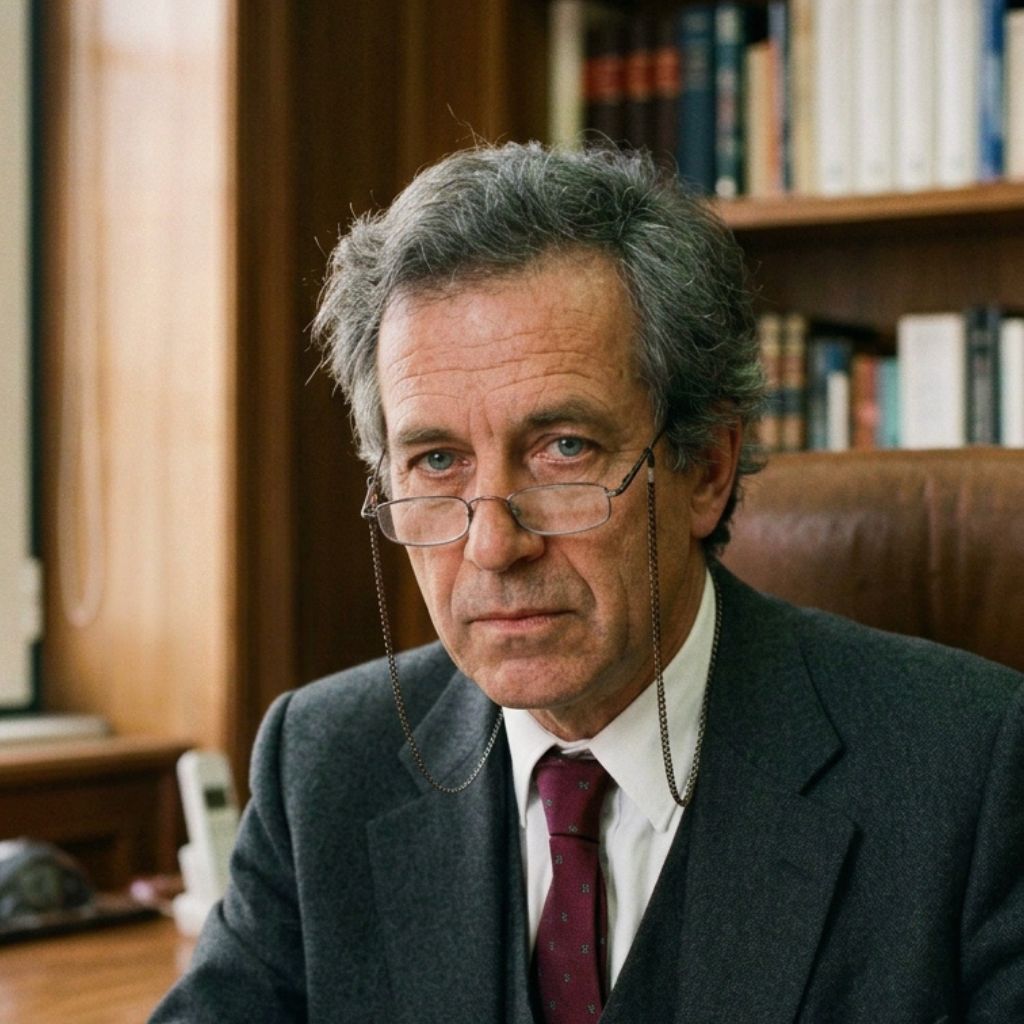


The Successors

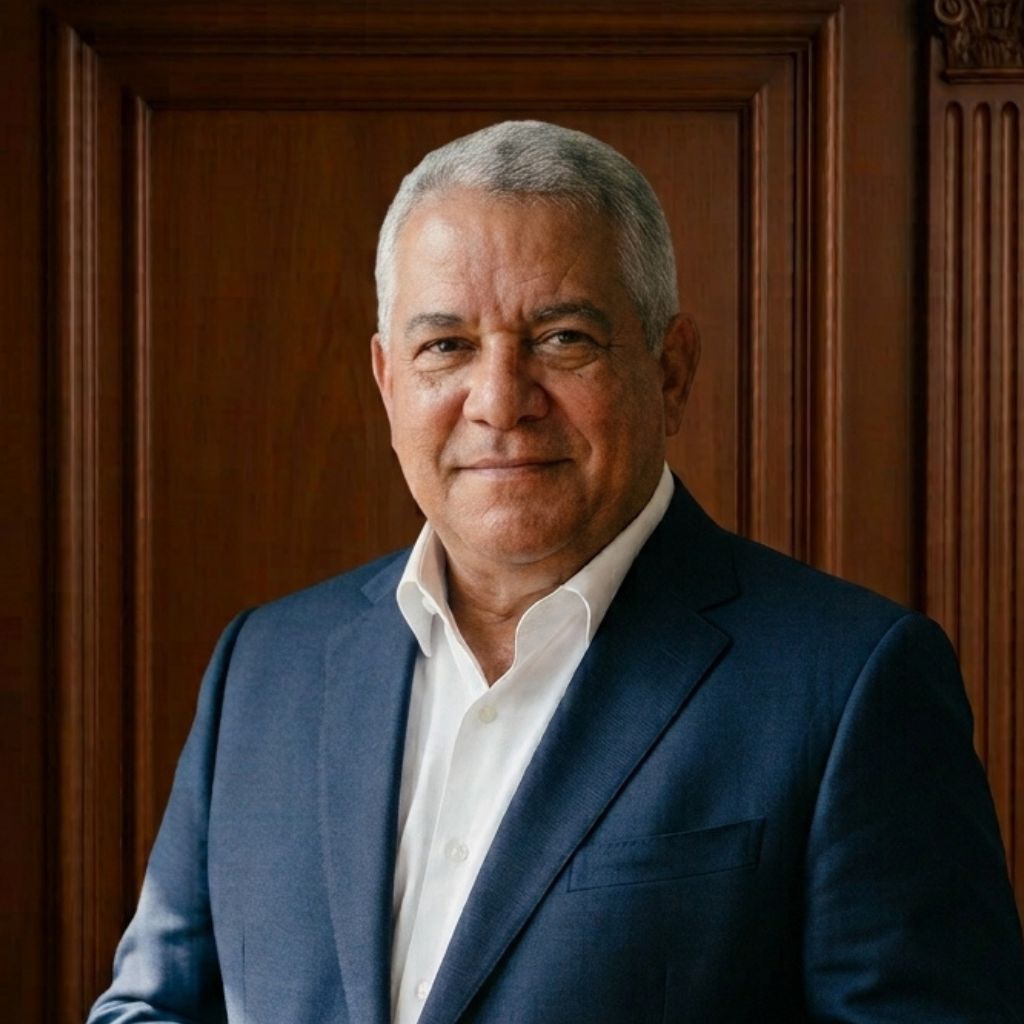


The Next Generation
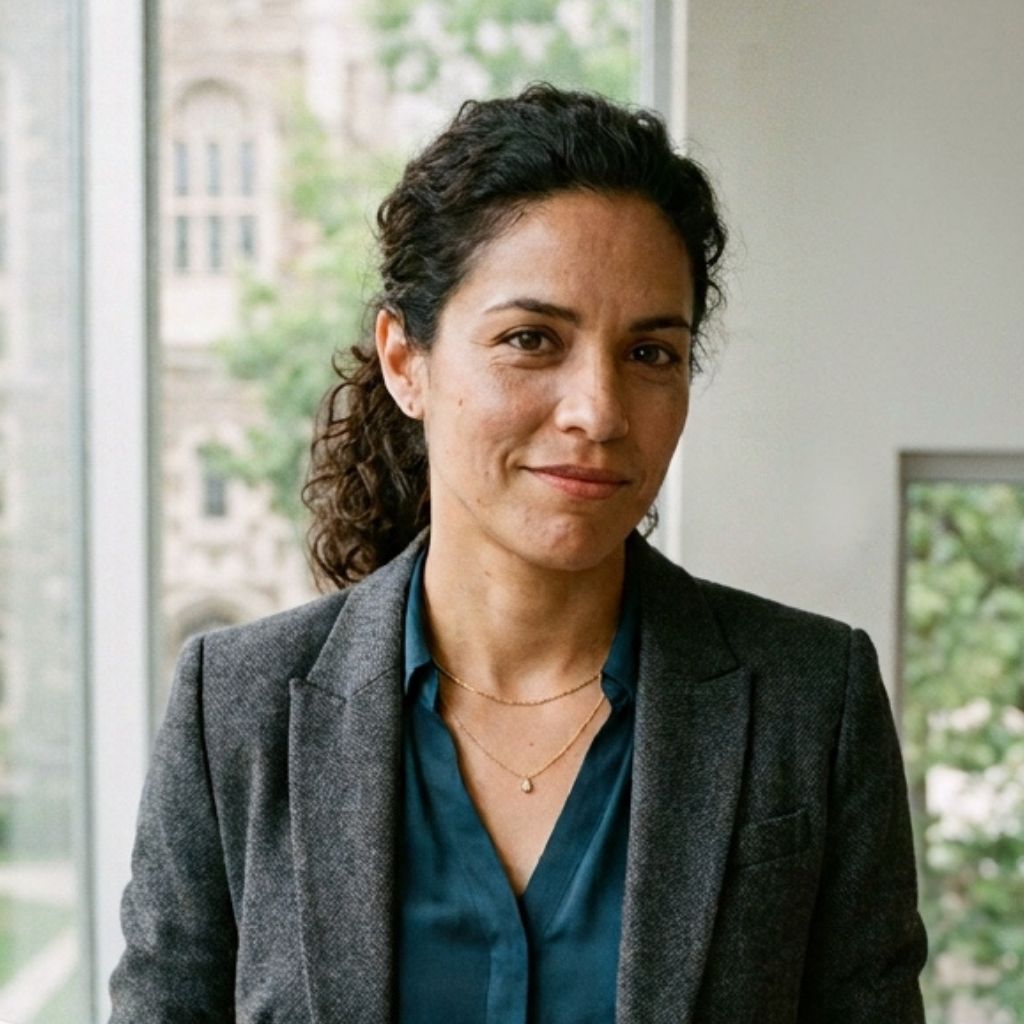









Rising Leaders






The Trustees



Beyond the Borders







Frequently Asked Questions
No. Balorga is fictional. Its history, institutions, culture, and political development have been constructed to explore questions that apply to real nations and the people who inhabit them.
No. Unlike The Protector & The Heiress, this is an examination of the country itself. It explores how Balorga was built, how it functions, and what its development reveals about the systems that shape society.
No. Sebastian is a fictional historical figure within the Balorgan universe. His leadership provides the central context for examining the country’s development, achievements, contradictions, and enduring institutional challenges.
Because sometimes stepping outside our familiar assumptions makes it easier to see them. Balorga provides a framework for examining government, economics, education, healthcare, identity, and human behavior from a different perspective.
Yes, in part. Politics is inseparable from the design and operation of a nation. But the book is not simply an argument for or against a particular ideology. It examines competing priorities, practical outcomes, institutional choices, and the contradictions that emerge when theory meets reality.
No. Examining what a leader accomplished is not the same as endorsing how he accomplished it. The book considers both the extraordinary results of Sebastian’s tenure and the costs, limitations, and consequences of the system he created.
No. Balorga draws on a broad range of historical, cultural, political, and institutional influences. It is not a disguised version of any single nation, nor is it intended as a direct blueprint for one.
A great many. Constitutional design, public services, education, healthcare, economic development, national identity, security, international relations, family life, institutional reform, and the relationship between citizens and the state are among its subjects.
Not at all. The Balorgan Experiment stands on its own. Familiarity with the novels may add another dimension to the experience, but no previous knowledge of the Balorgan universe is required.
No. It is an accessible examination of systems, institutions, and national development, using a fictional setting to make complex questions more approachable. Readers do not need a background in political science, economics, or public administration.
Quite the opposite. The interesting questions begin when a system produces impressive results but also creates problems, compromises, and unintended consequences. Balorga is an experiment precisely because it is worth examining what works, what doesn’t, and why.
Anyone interested in how societies function and why they sometimes don’t. Readers interested in history, politics, economics, public policy, systems thinking, leadership, and institutional design will find plenty to explore.
Because Balorga is an exercise in asking what happens when a country is deliberately constructed around a particular set of ideas, priorities, and institutional choices. The experiment isn’t just in building the nation. It’s in examining the results.